

Results of pedagogical tests
Хорошая штука для тренировки специальной выносливости
Игорь Захаркин
хоккей с шайбой
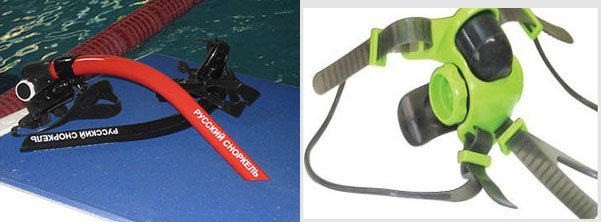
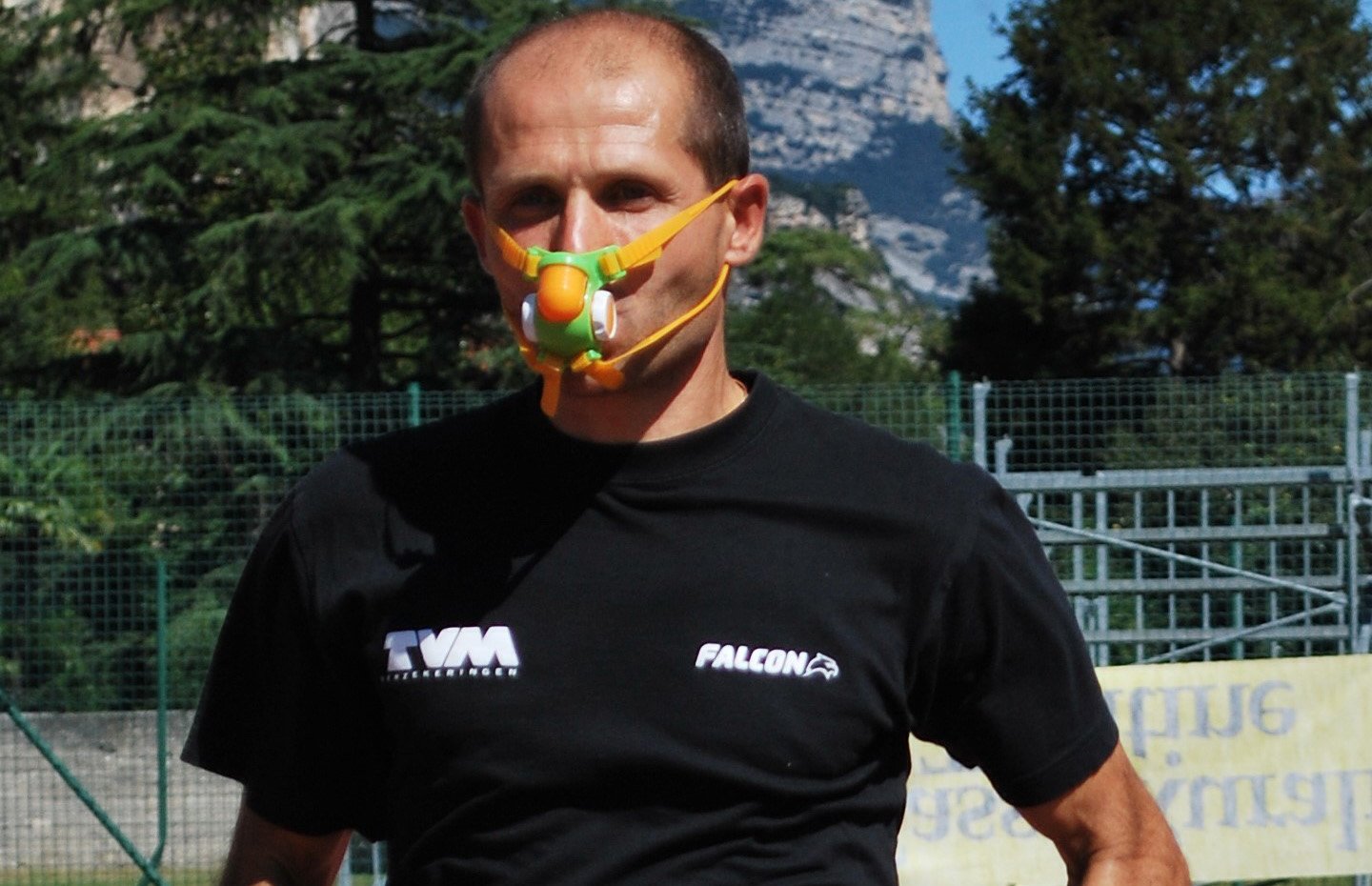
Тренажер «Новое дыхание» повышает силу и выносливость дыхательных мышц
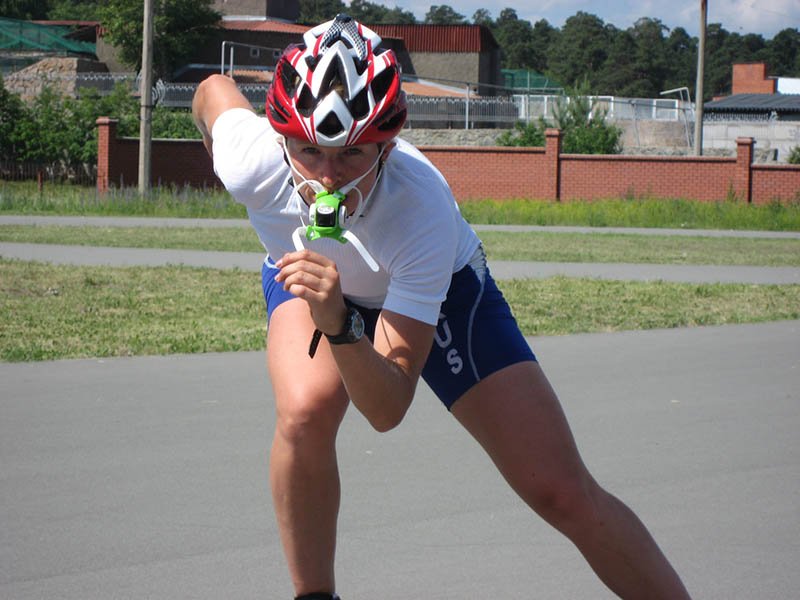
Константин Полтавец
конькобежный спорт
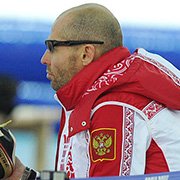
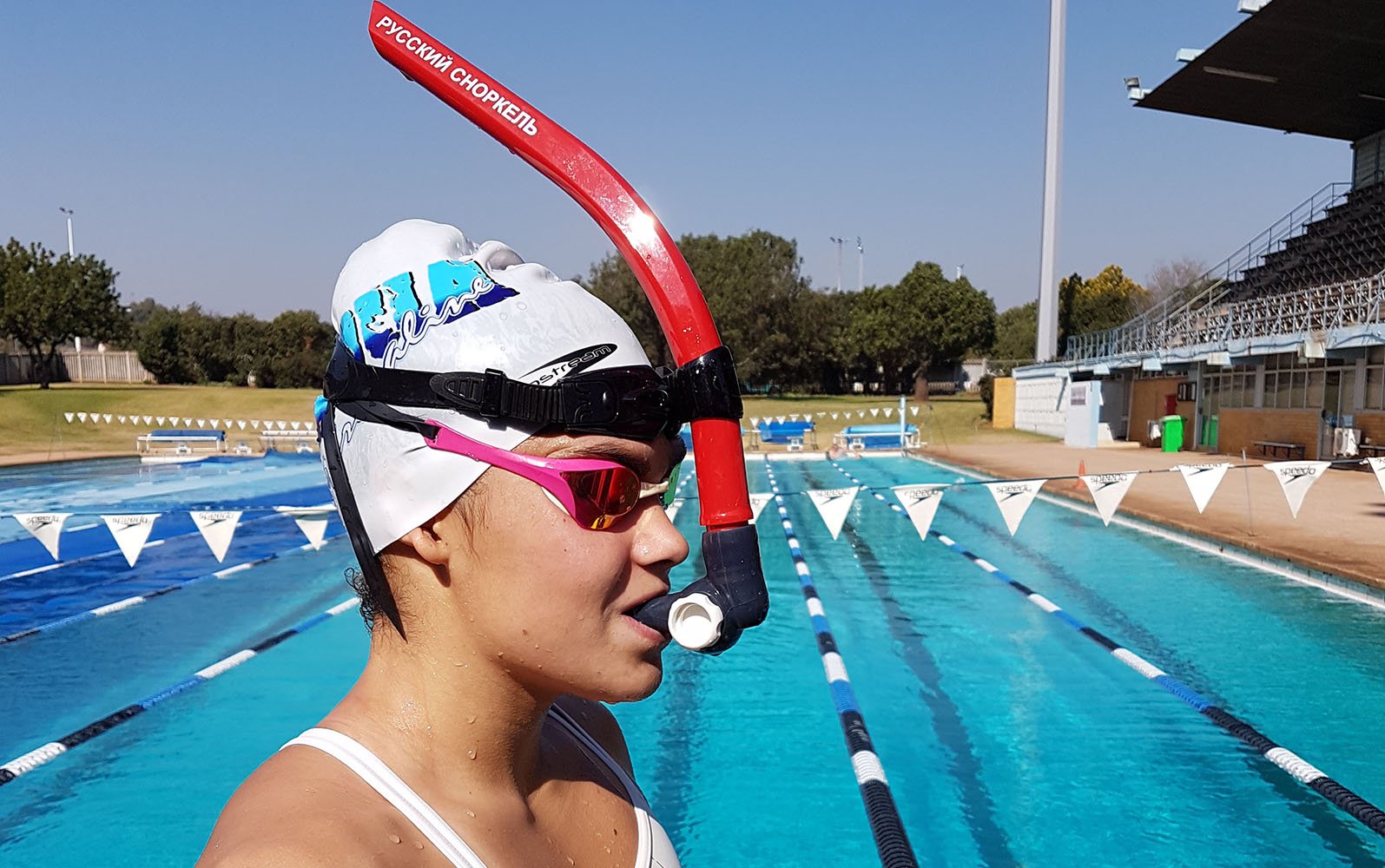
Используем «Русский сноркель – Новое дыхание» при подготовке к горам
Владимир Ермаков
плавание
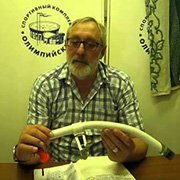
«Очень перспективный тренажер для многих видов спорта»
Михаил Дидур
заведующий кафедрой физических методов лечения и спортивной медицины СПб ГМУ им. акад. Павлова
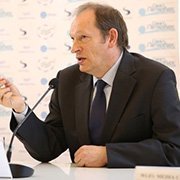
«Русский сноркель – отличный тренажер»
Светлана Чимрова
плавание
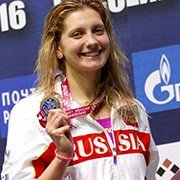
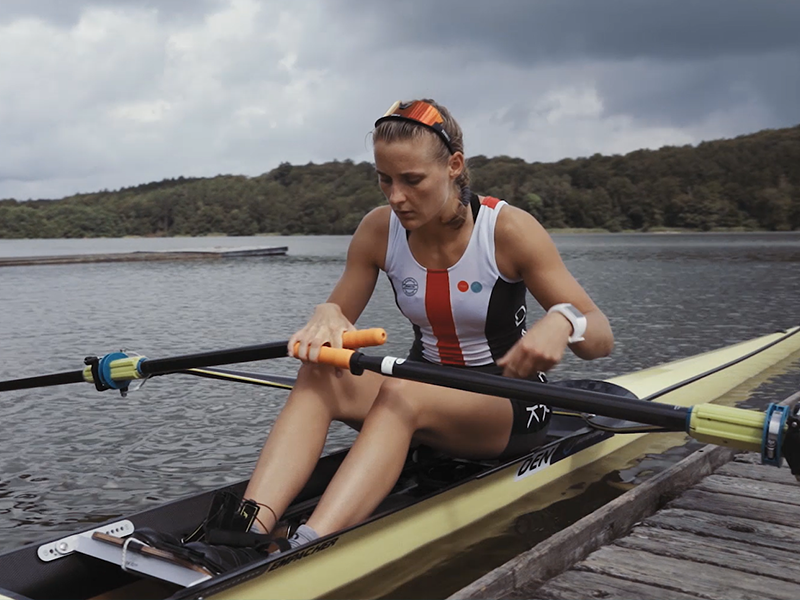
«Использую «Новое дыхание» в тренировках и в разминке на соревнованиях»
Анастасия Фесикова
плавание
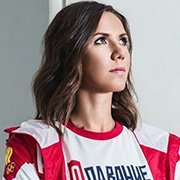
«Тренажер «Новое дыхание» повышает силу, мощность и выносливость дыхательных мышц»
Сергей Волков
лыжные гонки
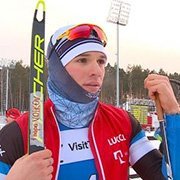
«Используем «Русский сноркель –Новое дыхание» практически на всех этапах подготовки»
Михаил Горелик
плавание
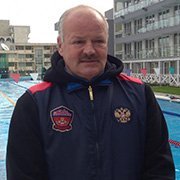
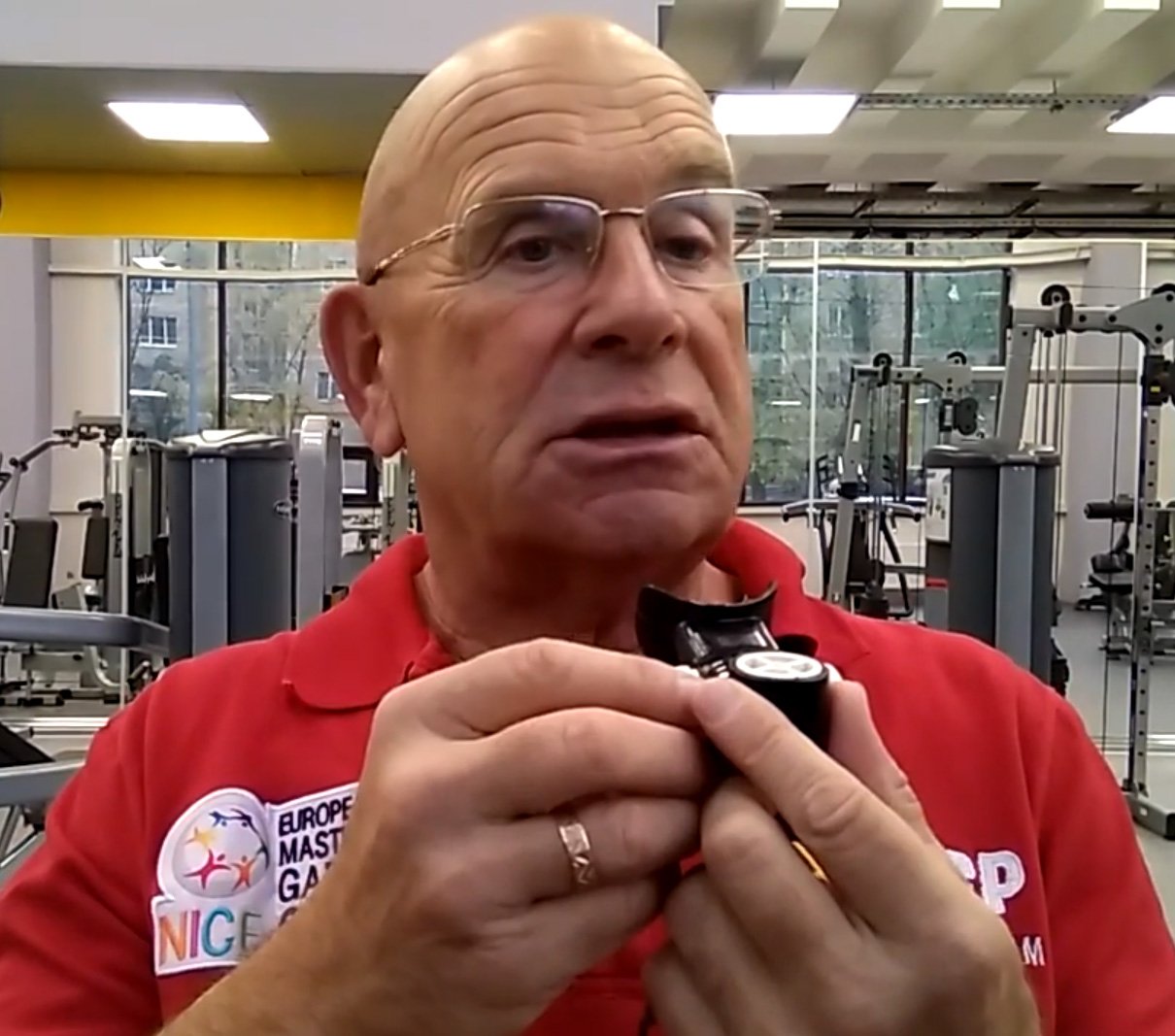
«Тренировался с «Новым дыханием» при подготовке к зимнему восхождению на Эльбрус. Восхождение перенес гораздо легче. Хорошая штука».
Михаил Мамута
горный туризм
Тренажеры "Новое дыхание" помогают мне тренировать специальную работоспособность. Я пользуюсь ими на тренировках.
Наталья Матвеева
Лыжные гонки
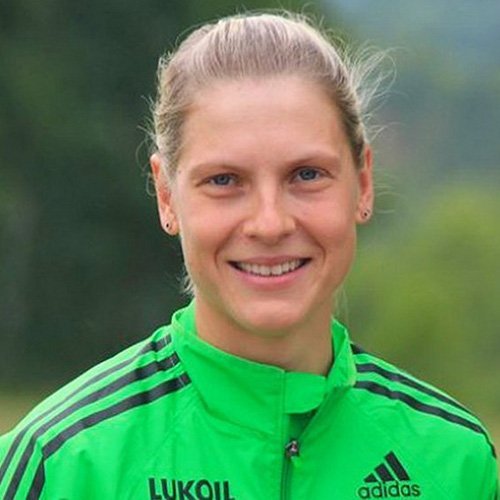
"Тренажеры "Новое дыхание" здорово помогают мне в тренировке дыхательной функции"
Дмитрий Полянский
Триатлон
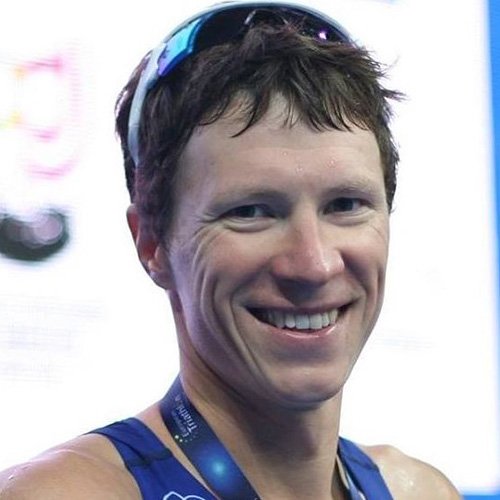
"Тренажер "Новое Дыхание" помогает мне держать спортивную форму и удачно выступать"
Юрий Попов
Легкая атлетика, ветеран
О ТРЕНАЖЕРАХ
СТАТЬИ И ДОКЛАДЫ
Наши специалисты на протяжении многих лет участвуют в различных тематических конференциях
ВИДЕО
Наши видеосюжеты о продукции компании "Спорт Технолоджи"